
Introduction
Keeping a home clean when you have pets presents unique challenges that go beyond standard vacuuming. Pet hair embeds itself into carpet fibers, accidents leave stubborn stains, and odors can settle deep into upholstery. Many homeowners find themselves struggling with traditional cleaning methods that simply don’t address these persistent problems effectively. The need for a targeted cleaning solution—one that’s powerful enough to handle tough messes but compact enough to use regularly without significant setup—has driven many people to explore portable carpet cleaning equipment.
Portable carpet cleaners have gained considerable popularity in recent years, particularly among pet owners who need flexibility and convenience in their cleaning routines. Unlike hiring professional services multiple times per year or investing in large, stationary cleaning machines, portable units offer an accessible middle ground. They can tackle spot cleaning, address accidents as they happen, and provide deeper cleaning for high-traffic areas and furniture.
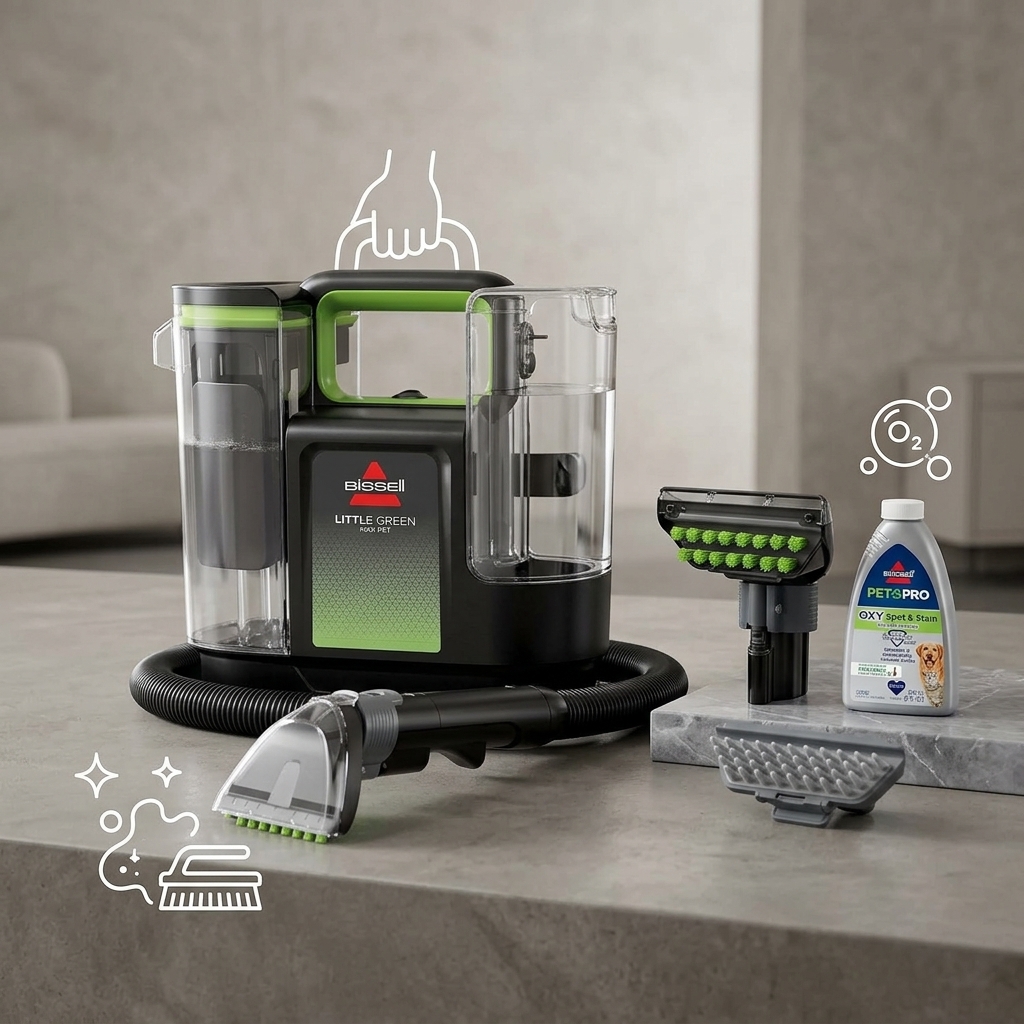
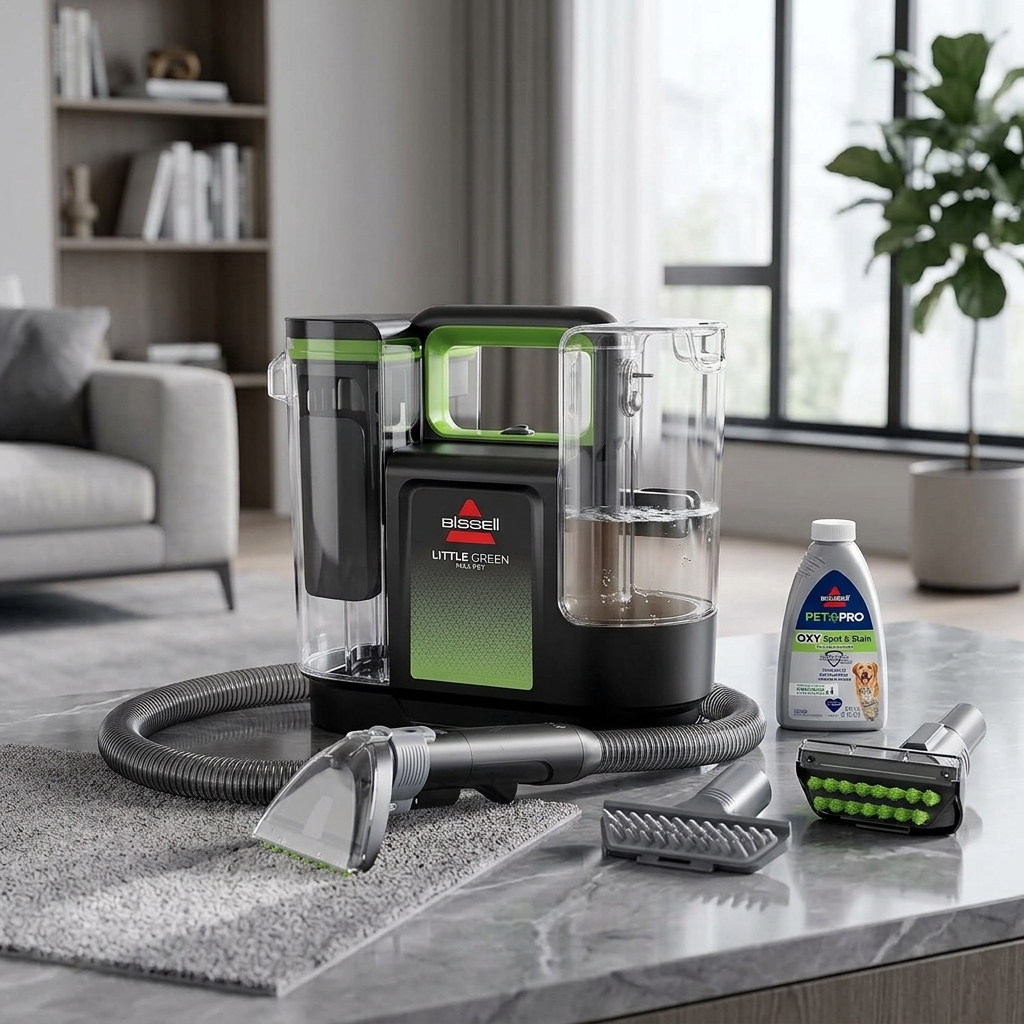
The BISSELL Little Green Max Pet represents one option in this category. Understanding what this type of equipment can and cannot do, how to use it effectively, and whether it aligns with your household needs requires looking beyond marketing language and exploring the practical realities of portable carpet cleaning.
What Are Portable Carpet Cleaners?
Before diving into specifics, it helps to understand the broader category. Portable carpet cleaners are compact machines designed to spray cleaning solution into carpet or upholstery fibers while simultaneously extracting dirty water. They operate through a relatively simple principle: suction pulls moisture—and the dirt suspended in it—out of the fibers and into a tank.
These machines differ significantly from regular vacuums, which only remove dry debris. They also differ from large, stationary carpet cleaning systems that might require professional operation or extensive setup. Portable models fit into a space between these two extremes, offering deeper cleaning capability than vacuums without the bulk or complexity of professional equipment.
The term “portable” here means the machine can be moved from room to room and stored in a typical closet or cabinet. It doesn’t mean lightweight or effortless to operate, though some models are more convenient than others.
Key Features and Design Elements
The BISSELL Little Green Max Pet edition comes with several components designed specifically to address pet-related cleaning challenges. Understanding what each part does helps determine whether this approach suits your needs.
Tank Capacity and System Design
The machine operates with both a clean solution tank and a separate dirty water tank. The clean solution tank holds the water mixed with cleaning formula that gets sprayed onto surfaces. The dirty water tank collects the extracted moisture and soil. Having separate tanks matters because it means you’re not spraying fluid that’s been contaminated with the dirt you just extracted—a significant advantage over systems that recycle water.
Tank capacity affects how long you can work between refilling and emptying. Larger tanks mean fewer interruptions, but they also make the machine heavier to maneuver. There’s a balance point that different users find in different places based on the size of their homes and their physical capability.
The Self-Cleaning Tool
A standout element of this model is its self-cleaning function. Rather than requiring manual cleaning and maintenance of the brush area after each use, the machine can automatically run cleaning solution through its cleaning attachment. This feature matters practically because carpet cleaner tools harbor moisture after use, creating conditions where mold and mildew can develop. A self-cleaning mechanism helps prevent these issues, potentially extending the tool’s lifespan and keeping it more hygienic.
Pet Hair Removal Tool
This specialized attachment targets a specific pet owner frustration: the hair that clings to upholstery, furniture, and car seats. Rather than a spinning brush that might tangle with hair, this tool uses a different approach to lift pet hair from surfaces. For those dealing with shedding dogs or cats, having a dedicated tool can save considerable time compared to using the standard carpet cleaning head on upholstered surfaces.
Tough Stain Tool
Pet accidents aren’t just about moisture—they often involve organic matter and bacteria that create persistent odors and visible stains. A specialized tool for addressing tough stains typically allows for more focused application and extraction. This concentrated approach can be more effective on localized problems than broad cleaning across entire rooms.
How Portable Carpet Cleaners Work
The operation of these machines, while not complicated, does involve several steps. Understanding the process helps set realistic expectations about results and time commitment.
Preparation
Before using a portable carpet cleaner, the area should be vacuumed thoroughly. Trying to clean carpet that still contains loose dry debris means the machine must extract that debris along with the water, putting extra burden on the suction system and potentially overloading the dirty water tank quickly. A good vacuum pass first makes the cleaning process more efficient.
Mixing Solution
The clean water tank needs to be filled with water and cleaning solution in appropriate proportions. The ratio matters—too little solution means less cleaning power, while too much can leave residue in the carpet. Most machines include guidance on proper dilution ratios.
Application and Extraction
The operator moves the machine across the carpet in overlapping passes. During the forward motion on many models, the machine sprays cleaning solution into the fibers. During the return motion, suction extracts the dirty water. This dual action simultaneously adds cleaning power and removes moisture.
The number of passes affects results. A single pass removes some soil and moisture. Multiple passes extract more water and typically improve cleaning results, but they also require more solution and more time.
Drying
After cleaning, the carpet contains extracted but not completely removed moisture. Air circulation—from fans, open windows, or air conditioning—helps carpet dry. Many people find that running the machine over the damp carpet one final time without spraying solution (in extraction-only mode) helps pull additional moisture out.
Using Portable Cleaners on Different Surfaces
While the marketing terminology for a cleaner might emphasize certain applications, the machine itself can work on several different surface types, each with slightly different considerations.
Carpeted Floors
Traditional wall-to-wall carpeting represents the most common use case. The machine’s wheels and design are optimized for this application. Deeper, thicker carpet pile typically responds well to multiple passes and allows the machine to make good contact for extraction. Thinner or low-pile carpet sometimes requires gentler handling to avoid saturating it excessively.
Upholstered Furniture
Cleaning fabric-covered sofas, chairs, and ottomans requires more caution than cleaning carpet. Fabrics vary widely in their tolerance for moisture and cleaning chemicals. Delicate fabrics like silk or velvet, or pieces with special finishes, might not be appropriate for this equipment. Testing in an inconspicuous area first is essential. The pet hair tool mentioned in the product lineup specifically addresses the challenge of removing hair from upholstered surfaces before deeper cleaning.
Car Interiors
The compact size and portability make these machines suitable for cleaning car interiors—seats, carpeted areas, and floor mats. The ability to address pet accidents or spills in vehicles without paying for professional detailing appeals to many owners. Again, testing on a hidden area before addressing visible surfaces matters, since some car interior materials have special coatings or treatments.
Stairs
Cleaning carpeted stairs presents a specific challenge because the machine must be moved up and down steps, and the work area is smaller and steeper. Some portable models handle this task more easily than others depending on weight and design. The hose length affects reach on stairs.
Area Rugs
Portable cleaners work on area rugs just as they do on wall-to-wall carpet. One advantage is the ability to clean a specific rug and then immediately see the results, which can be motivating. Afterward, the rug should dry thoroughly before being returned to its usual location.
Understanding Cleaning Solutions and Their Impact
The cleaning solution you use significantly affects results, though this aspect often receives less attention than the machine itself.
Solution Types
Carpet cleaning solutions come in various formulations: general-purpose cleaners, solutions targeting pet stains and odors specifically, solutions for tough stains, and gentler options for delicate fabrics. Some are concentrated formulas that require mixing with water in specific ratios, while others come pre-mixed.
Pet-Specific Considerations
Solutions marketed for pet stains often contain enzymes or other active ingredients designed to break down the biological matter in accidents—urine, feces, and vomit. Standard carpet cleaners may lift visible stains but not fully address the biological compounds creating odors. For serious pet challenges, the solution choice might matter as much as the equipment.
Chemical Safety
If your household includes young children or particularly sensitive pets, the safety profile of cleaning solutions matters. Some formulations contain chemicals that might trigger concerns for certain households. Reading ingredient lists and safety information helps you make choices aligned with your comfort level.
Who Might Benefit from This Type of Equipment
Portable carpet cleaners aren’t universally necessary—some households clean fine with traditional methods—but certain situations make them particularly valuable.
Multi-Pet Households
The more pets you have, the more likely unexpected accidents or significant messes will occur. Having equipment readily available to address problems immediately, rather than waiting for professional services or dealing with stains for extended periods, appeals to many families with multiple animals.
Rental Situations
Renters often face limitations on making permanent changes to properties, and professional carpet cleaning costs can be substantial. Portable equipment allows renters to maintain carpets throughout their lease and often ensure they meet move-out condition requirements.
Aging or Incontinent Pets
Older pets sometimes develop incontinence issues. Rather than replacing carpet in affected areas, spot cleaning with portable equipment can address accidents as they occur while the pet continues to age in place.
Frequent Spills and Messes
Some households—whether due to young children, active pets, or simply the nature of how people use spaces—experience more frequent spills and stains than others. Regular access to cleaning equipment beats addressing stains weeks later when they’ve set permanently.
Allergy Concerns
Periodic deep cleaning of carpets and upholstery can help reduce allergen loads. Some people with pet allergies find that regular cleaning with extraction equipment helps them tolerate living with animals better.
Vehicle Interiors
Car owners who transport pets, have children who eat in vehicles, or who want to maintain interiors without frequent professional detailing can address issues themselves using a portable machine.
Important Limitations and Realistic Expectations
Understanding what these machines cannot do is as important as knowing their capabilities.
Professional Cleaning Comparison
Portable equipment, while useful for maintenance and spot cleaning, doesn’t match the power and effectiveness of professional truck-mounted systems. Professional equipment operates at higher temperatures, uses more sophisticated chemistry, and applies greater extraction force. For deep cleaning of heavily soiled carpet or addressing major stains and odor problems, professional services remain superior. Portable machines work best for regular maintenance between professional cleanings or for keeping problems from developing in the first place.
Sensitive Materials
Some carpet types, fibers, and finishes don’t respond well to repeated moisture exposure or certain cleaning chemicals. Wool carpets, for instance, require specialized handling. Silk upholstery can be damaged by aggressive scrubbing. Certain synthetic materials can shrink or permanently discolor if exposed to wrong solutions or too much moisture. Understanding your specific carpet and furniture materials before using aggressive cleaning methods prevents expensive damage.
Drying Time
Portable cleaners extract water, but they don’t fully dry carpet and upholstery. Moisture remains in the materials, requiring hours or sometimes a full day for complete drying. In humid climates or without good air circulation, this drying period can extend substantially. Attempting to use carpet again before it’s fully dry can result in mud-like conditions and potentially trap moisture that leads to mold growth.
Not a Replacement for Vacuuming
These machines work on wet cleaning, not dry removal of debris. Regular vacuuming remains essential for maintaining carpet between deep cleaning sessions. Skipping vacuuming and only using a portable cleaner periodically won’t keep carpets in good condition.
Limitations with Certain Stains
Some stains—particularly dyes that have penetrated fiber or certain food colorings—cannot be removed by any at-home cleaning method. Setting realistic expectations about which stains are actually removable prevents frustration when a machine, however effective, simply cannot restore a permanently altered fiber.
Maintenance and Care
Keeping a portable carpet cleaner functioning well over time requires attention to maintenance.
Regular Cleaning of Components
The brushes, spray jets, and suction paths can accumulate mineral deposits, residue, and pet hair. The self-cleaning function helps, but periodic manual inspection and cleaning ensures the machine continues operating at peak efficiency. Neglecting maintenance typically shortens the equipment’s useful life.
Tank Maintenance
Both the clean and dirty water tanks need regular attention. The dirty tank should be emptied after each use and rinsed thoroughly. Stagnant water in the tank breeds mold and mildew, creating odors that eventually transfer to your carpet. The clean solution tank should be cleaned out if storing the machine for extended periods.
Hose Inspection
Hoses can develop cracks, kinks, or internal clogs over time. Regularly checking hose condition helps catch problems before they escalate. Harsh coiling or standing on hoses can shorten their lifespan.
Brush Replacement
Brush bristles wear over time, reducing cleaning effectiveness. Knowing when bristles have worn sufficiently to warrant replacement versus simply needing cleaning is part of ongoing maintenance.
Comparing Portable Solutions to Other Approaches
Several options exist for addressing carpet and upholstery cleaning. Portable equipment is one choice among several, each with different trade-offs.
Professional Cleaning Services
Hiring professionals to clean carpets and upholstery on a periodic basis (typically one to two times per year) represents the traditional approach. Benefits include superior cleaning power, specialized equipment, professional expertise with different materials, and no personal effort required. Drawbacks include cost and scheduling inconvenience. The best approach for many households combines professional services with at-home maintenance cleaning using portable equipment.
Rental Equipment
Rather than purchasing a portable cleaner, renting one for specific cleaning projects is an option. This works well for occasional use or one-time projects but becomes expensive if you need regular access. Ownership makes more economic sense for frequent use.
DIY Approaches
Some people use spray bottles and shop vacuums, or rely on hand scrubbing with towels for spot cleaning. These approaches cost very little but require significant manual effort and typically don’t achieve the extraction capability of actual cleaning equipment.
Replacement
For heavily stained or damaged carpet sections, replacement might be more cost-effective than repeated cleaning attempts. This tends to apply only to specific areas unless the entire carpet has become permanently damaged.
Frequently Asked Questions About Portable Carpet Cleaning
How often should I use this type of equipment on my carpets?
Frequency depends on several factors: the size and activity level of your household, whether you have pets, and your carpet color and material. Some households find monthly use appropriate, while others use equipment only a few times per year. Pet owners with accidents or significant shedding might clean multiple times monthly. There’s no universal answer—it depends on your situation.
Will this remove old, set-in stains?
Success with old stains depends on what caused the stain and how long it’s been present. Fresh stains respond better to cleaning than deeply set stains. Some stains—particularly dyes that have bonded to fibers—cannot be removed regardless of the equipment used. Testing on inconspicuous areas first prevents frustration.
Can I use this on delicate fabrics?
Delicate fabrics require caution. Testing on hidden areas first is essential. Some fabrics might not tolerate the moisture or chemicals without damage. When in doubt, consulting the fabric care instructions or testing in an inconspicuous corner helps prevent expensive mistakes.
How long does carpet need to dry after cleaning?
Typical drying time ranges from several hours to a full day, depending on humidity, air circulation, carpet thickness, and how thoroughly you extracted moisture. Running a fan or opening windows accelerates drying. Traffic on damp carpet can lead to mud and potential mold issues, so allowing sufficient drying time is important.
What cleaning solution should I use?
Many solutions are available, from general-purpose cleaners to pet-specific formulas. The choice depends on your specific needs and preferences. Pet-specific solutions often work better for animal-related messes, while general cleaners work fine for routine maintenance. Following machine manufacturer recommendations ensures compatibility.
Is the self-cleaning feature necessary?
A self-cleaning function helps prevent mold, mildew, and odors in the cleaning tool between uses. While not absolutely required, it addresses a real maintenance challenge and can extend equipment lifespan.
Can I use this on my car interior?
Yes, many people use portable carpet cleaners on car interiors for seats, carpets, and floor mats. The compact size makes this practical. Testing on hidden areas first remains important since car interior materials vary widely.
What’s the difference between this and a wet vacuum?
Portable carpet cleaners actively spray cleaning solution and then extract dirty water—a dual-purpose cleaning and extraction system. Wet vacuums primarily extract liquid from surfaces already wet. Carpet cleaners are designed specifically for the cleaning solution application process, making them more effective for actual cleaning rather than just water removal.
How portable is it really?
“Portable” is relative. These machines are smaller and lighter than truck-mounted professional equipment, but they’re not lightweight or simple to carry around. Most people move them from room to room or to vehicles, rather than carrying them long distances or up stairs repeatedly. If you need equipment for extensive stair cleaning, the weight and maneuverability matter significantly.
Will this help with pet odors?
Extraction cleaning addresses some odor issues by removing the source materials (urine, feces). Pet-specific cleaning solutions contain ingredients designed to break down odor-causing compounds. Together, they can significantly reduce pet-related odors. However, deeply embedded odors from years of accidents might require professional treatment or, in extreme cases, carpet replacement.
Maintenance Schedule and Best Practices
Establishing a simple maintenance routine keeps equipment functioning well.
After Each Use
Empty the dirty water tank, rinse it thoroughly, and allow it to dry. Check the clean solution tank and refill if needed. Run the self-cleaning cycle if available. Allow brush heads and hoses to air dry in a ventilated area.
Monthly or With Regular Use
Inspect brush bristles for wear and clean out any accumulated hair or debris. Check hoses for damage or kinks. Clean out any visible mineral deposits or residue from spray jets.
Quarterly or Seasonally
Deep clean tank interiors with diluted vinegar to remove mineral buildup. Check all connections for tightness. Inspect seals and gaskets for signs of deterioration.
Before Extended Storage
Run a full cleaning cycle with water only to flush the system. Empty all tanks completely and allow them to dry fully. Store equipment in a cool, dry location. Consider running a brief cleaning cycle again before the first use after long storage.
Making the Decision: Is This Right for Your Home?
Investing in portable carpet cleaning equipment makes sense for some households and is unnecessary for others. Consider these factors:
Your household composition: Multiple pets, young children, or people with mobility issues affecting cleanliness create stronger cases for having equipment readily available.
Your carpet situation: High-quality, expensive carpet might be worth protecting with regular cleaning. Rental properties might not justify the investment.
Your budget: Equipment cost represents a significant purchase. If you clean carpet infrequently (one or twice per year), renting might be more economical.
Your commitment level: Ownership requires maintenance responsibility. If you’re unlikely to perform regular upkeep, equipment won’t reach its potential effectiveness or lifespan.
Your space: Limited storage for equipment is a practical consideration in smaller homes or apartments.
Your cleaning needs: Pet owners, particularly those with senior animals or multiple pets, typically find more value in ownership than people with minimal cleaning challenges.
Conclusion
Portable carpet cleaning equipment offers a practical middle ground between simple spot cleaning and professional services. For households dealing with regular messes from pets, children, or heavy use, having accessible cleaning equipment can maintain carpets and upholstery better than infrequent professional cleanings alone.
The BISSELL Little Green Max Pet represents one option in this category, designed specifically with pet owners in mind. Understanding its capabilities—and its limitations—helps determine whether this type of equipment fits your household’s needs and cleaning philosophy.
The reality is that no single equipment solution perfectly addresses every household’s unique circumstances. What matters most is making an informed decision based on your specific situation rather than marketing claims or product hype. Regular maintenance, appropriate use, and realistic expectations about what portable equipment can and cannot accomplish lead to the best results.
If you’re considering portable carpet cleaning equipment for pet-related challenges or regular household maintenance, examining what different models offer and honestly assessing your household’s needs creates the foundation for a good decision.