
Introduction
Keeping carpets and upholstery clean is a challenge that most households face, especially those with active families or pets. Whether you’re dealing with a wine spill on the sofa, muddy paw prints on the carpet, or mysterious stains in your car interior, the immediate concern is usually the same: how do you address these spots before they set in permanently?
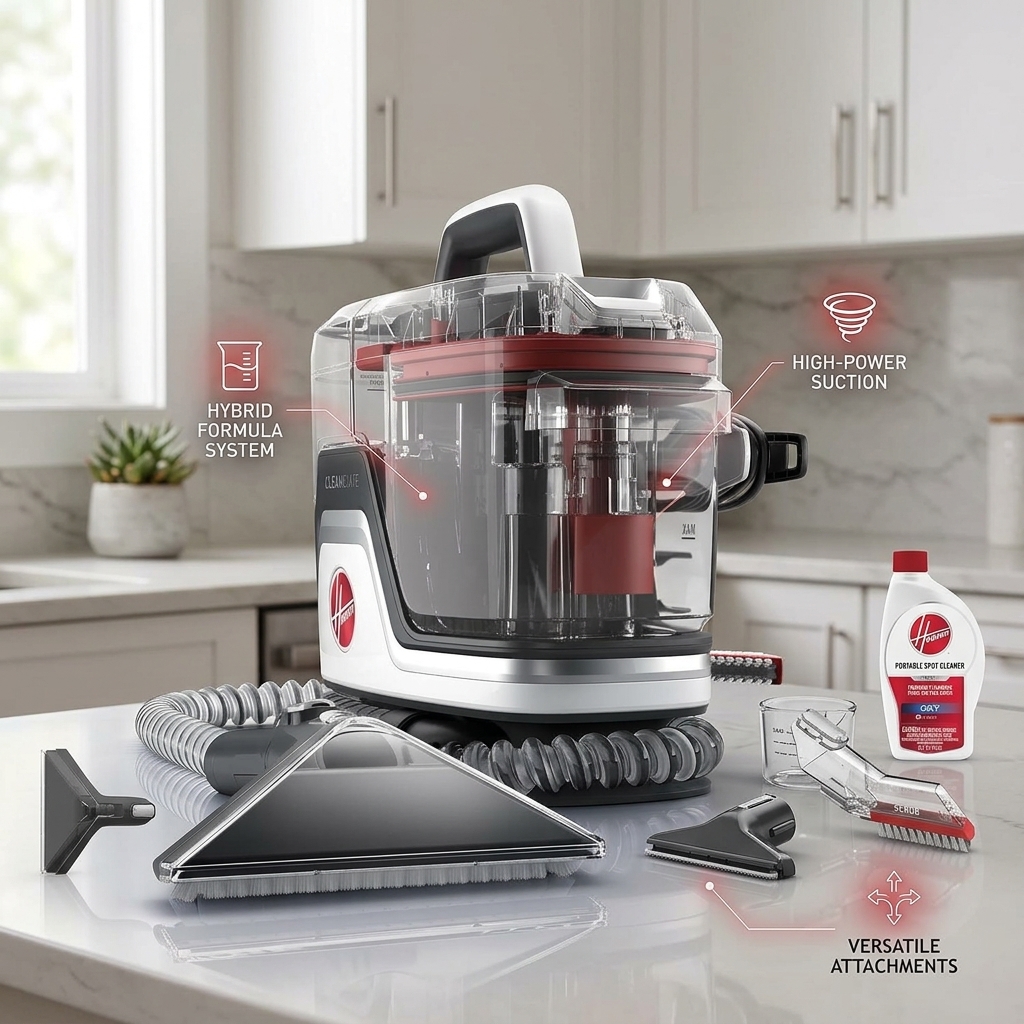
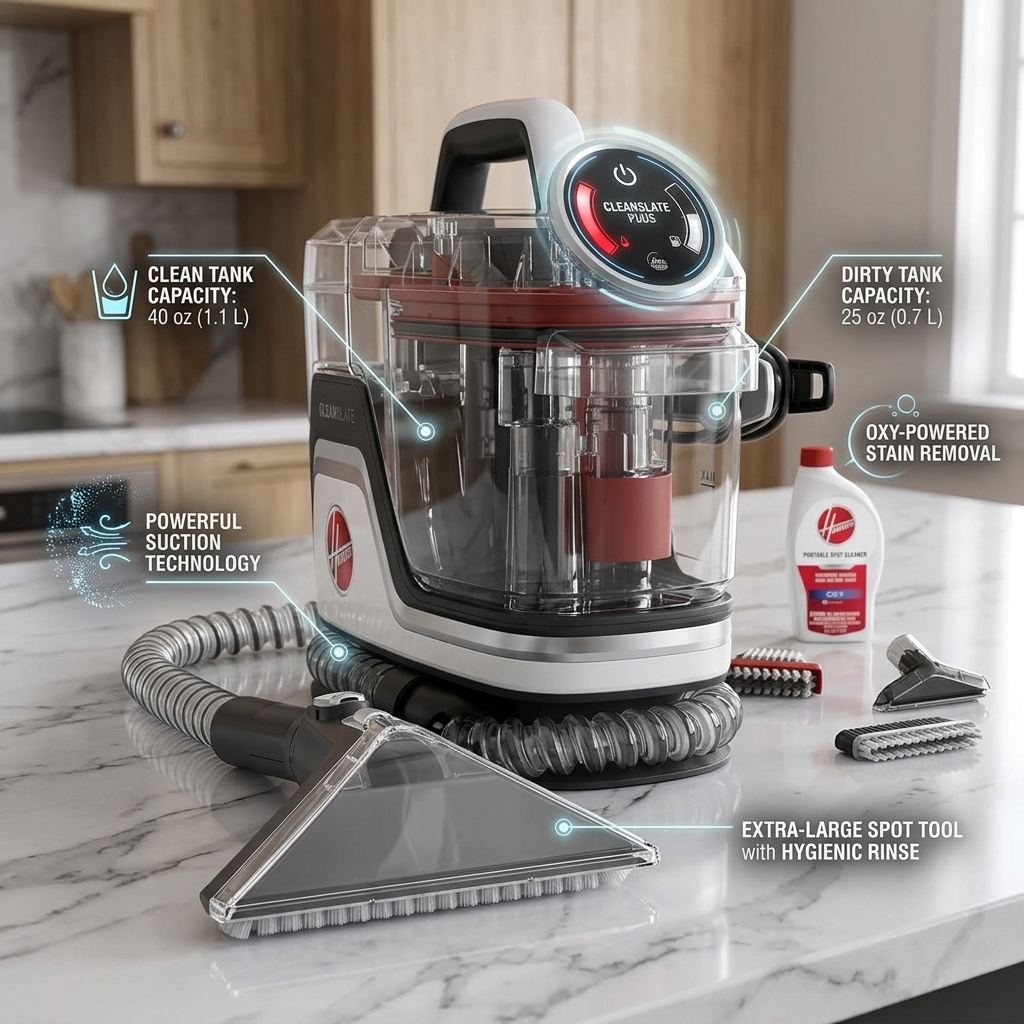
The market has evolved significantly in recent years to address these needs. Portable spot cleaners have become increasingly popular for homeowners who want a middle-ground solution—something more effective than traditional methods but without the commitment of a full-size machine or professional cleaning service. One product that appears in many discussions about portable carpet and upholstery cleaning is the Hoover CleanSlate Plus, a versatile machine designed to tackle various cleaning situations around the home and vehicle.
This article explores what portable carpet and upholstery cleaning machines do, how they work, and what considerations matter when thinking about whether such a device might fit your cleaning needs. We’ll look at the features typically found in machines like the CleanSlate Plus and discuss the practical applications that make these tools useful in everyday life.
Understanding Portable Spot Cleaners
Before diving into specific features, it’s helpful to understand what distinguishes portable spot cleaners from other cleaning methods. Unlike traditional carpet shampooing systems that cover an entire room at once, portable cleaners are engineered to handle smaller areas and specific problem spots. They work by using suction and cleaning solution to extract moisture and debris from carpet fibers and upholstery.
The general principle involves spraying a cleaning solution onto the affected area, agitating the material, and then using suction to pull the liquid—along with dirt and stains—back into a collection tank. This process is sometimes called “hot water extraction” when heated water is involved, though some machines work with room-temperature solutions.
Key Features You’ll Find in Modern Portable Cleaners
Portable spot cleaners designed for multiple uses typically include several important components worth understanding.
Multi-Purpose Tool Design
Most modern portable cleaners come with various attachment heads and tools. A carpeted floor might require a different approach than a delicate upholstered chair or car upholstery. Machines in this category usually include several specialized tools—perhaps a small upholstery brush, a targeted stain tool, or accessories for reaching into crevices. This versatility means you’re not limited to one surface type, which increases the overall utility of the investment.
Suction Power
Suction strength matters considerably in how effectively a portable machine can extract moisture. Better suction means less water is left behind in the material after cleaning, which translates to faster drying times and more effective stain removal. The suction strength in these machines is typically measured in air watts, and understanding this specification can help you gauge how the machine might perform on your specific materials.
Solution Tank and Recovery Tank Separation
A well-designed portable cleaner keeps clean solution separate from dirty water. You fill one tank with your cleaning solution and water, while the machine deposits extracted dirty water into a separate recovery tank. This separation is important for hygiene and for ensuring your cleaning solution remains relatively fresh as you work.
Heating Capability
Some portable cleaners heat the solution before dispensing it. Warm water generally helps dissolve stains more effectively than cold water, similar to how you’d wash clothes at different temperatures depending on the item. Not all portable machines include heating, so this is a feature worth considering based on your preferences.
Practical Applications for Portable Spot Cleaners
The versatility of these machines means they can be useful in numerous household situations, each with slightly different requirements.
Addressing Fresh Carpet Stains
When a spill happens on carpeting—perhaps coffee, juice, or something more problematic—a portable spot cleaner can be deployed immediately. Because the machine is ready to go without extensive setup, you might be more likely to address the stain before it dries completely, which generally leads to better outcomes. This is particularly relevant in high-traffic areas like living rooms or dining areas where spills are inevitable.
Cleaning Pet-Related Issues
Pet owners face unique challenges. Accidents happen during house-training, or pets might occasionally have digestive issues. Additionally, regular pet activity leaves dirt, debris, and odors in carpeting and upholstery. A portable machine allows you to address these situations when they occur rather than waiting for a scheduled professional cleaning. The ability to quickly clean and sanitize affected areas can make managing pet ownership considerably more manageable.
Automotive Interior Cleaning
Car interiors present a specific cleaning context. Spills happen, kids track mud, and upholstered seats accumulate dust and debris over time. Regular shampooing of automotive interiors is challenging with traditional full-size systems because of spatial constraints. A portable cleaner’s compact design and various tools make it practical for cleaning car seats, carpeted floor areas, and interior panels. This application alone can extend the life and appearance of a vehicle’s interior.
Refreshing Upholstered Furniture
Between professional cleanings, upholstered sofas and chairs collect dust, skin cells, and occasional spills. A portable spot cleaner allows regular maintenance cleaning that goes deeper than vacuuming alone. For anyone who wants to keep furniture looking fresher over longer periods, this intermittent care can be valuable.
Stairs and Tight Spaces
Stairs and tight hallways are awkward to clean with full-size machines. The compact nature of portable cleaners makes these areas more manageable to address, allowing you to maintain consistency across your entire home’s carpeted areas.
Who Might Find These Machines Useful
Different situations make portable spot cleaners more or less relevant for specific people.
Active Families with Children
Households with young children experience frequent spills and messes. The ability to address these issues quickly without professional service appointments or extensive setup appeals to busy families. Quick response to spills often prevents them from becoming permanent stains.
Pet Owners
Anyone sharing their home with dogs, cats, or other pets will recognize the value of immediate response to accidents and regular deep cleaning of areas pets frequent. The investment pays for itself if it reduces the need for professional cleaning services or helps prevent permanent damage to flooring.
Vehicle Enthusiasts
People who care about their cars’ interiors and want to maintain upholstery condition often appreciate having tools dedicated to automotive cleaning. This is especially relevant for anyone with children or pets who ride in vehicles regularly.
Allergy-Conscious Households
Those managing allergies or asthma sometimes find that regular, thorough carpet cleaning reduces symptoms. Having accessible equipment for frequent light-to-moderate cleaning might support their health goals better than waiting for less frequent professional services.
Renters Managing Deposits
Renters are particularly motivated to maintain flooring and upholstery condition to preserve security deposits. A portable cleaner allows them to address issues immediately without professional expense, potentially protecting their financial interests.
Important Considerations Before Making a Decision
While portable spot cleaners offer genuine benefits, certain practical realities deserve honest consideration.
Tank Capacity and Water Temperature
Portable machines have limited tank capacity compared to full-size systems. This means you’ll refill your solution tank more frequently and need to empty the dirty water tank more often, especially if you’re cleaning multiple problem areas in succession. Additionally, if you’re not heating the solution, cold water may not perform as effectively on certain types of stains or heavily soiled areas.
Drying Time
While portable cleaners extract significant moisture through suction, they don’t remove all water from materials. Cleaned areas will still need time to dry completely, typically several hours depending on humidity, ventilation, and material thickness. Wet carpet invites issues like mildew if not properly ventilated. During wet weather or in poorly ventilated spaces, this can be challenging.
Machine Weight and Storage
These machines, while portable compared to full-size systems, still have appreciable weight. If you have strength limitations or mobility challenges, maneuvering the machine and carrying it to different areas might be physically demanding. Storage space is also a consideration; these machines need somewhere to live when not in use.
Noise Level
Portable spot cleaners produce noise when operating, which matters if you’re cleaning early, late, or in noise-sensitive environments. Reading about noise levels in decibels can help you understand how this might affect your living situation.
Learning the Technique
Effective cleaning with these machines requires some technique. Oversaturating an area with solution can leave materials too wet and difficult to dry. Too little solution might not adequately dissolve the stain. Using attachments correctly and understanding the right pressure to apply comes with experience.
Limitations on Large Areas
If you’re facing heavily soiled or large-area cleaning, a portable machine might struggle to complete the job efficiently or effectively. Situations requiring cleaning of entire rooms might benefit more from full-size equipment or professional services.
How Portable Cleaners Compare to Other Cleaning Methods
Understanding where portable spot cleaners fit in the broader landscape of cleaning options helps clarify their actual role.
Versus Traditional Vacuuming
Regular vacuuming removes surface dirt and debris but doesn’t address moisture-based stains or deep-seated dirt in carpet fibers. A portable cleaner goes further by using liquid extraction, making it more effective for treating specific problem areas. However, vacuuming remains important for daily maintenance between spot-cleaning sessions.
Versus Renting Full-Size Equipment
Full-size carpet cleaning machines and systems are available for rent at hardware stores. These typically have more powerful suction, larger tank capacity, and potentially heating systems. They’re effective for larger jobs but require transportation, learning to use the equipment, and managing wet conditions over substantial areas. A portable machine is less effective per square foot but far more convenient for quick interventions and ongoing maintenance.
Versus Professional Cleaning Services
Professional cleaners bring expertise, powerful industrial equipment, and efficiency. They can handle jobs no portable machine could manage and have specialized training for different materials. However, they’re more expensive and require scheduling. A portable machine fills the gap for intermittent care between professional services—or might eliminate the need for certain professional visits altogether.
Versus Enzymatic or Spot Treatments
Various carpet and upholstery stain treatments exist as standalone products—enzyme cleaners, foam treatments, and powder products. These can be effective for certain stains but often leave residue that must be removed through extraction. Using a portable machine after applying these treatments can enhance their effectiveness.
Frequently Asked Questions
What types of stains can these machines typically address?
Portable cleaners work best on stains that respond to liquid extraction—pet accidents, spilled beverages, food spills, and general soiling. Older, completely dry stains might require pre-treatment or may resist extraction. Some stains (like dye-based marks) might not fully disappear regardless of equipment used. The nature of the stain, how long it’s been there, and the material it’s on all influence outcomes.
How often should you use a portable spot cleaner?
This depends entirely on your needs. Heavy pet households might use them several times weekly, while someone addressing occasional spills might use one monthly or less. Frequent light cleaning is generally easier on materials than waiting for buildup that requires aggressive cleaning.
Can you use any cleaning solution, or does it need to be specific?
This varies by machine. Many portable cleaners work with various cleaning solutions, while others might require specific formulations. Using inappropriate solutions could damage the machine or leave residues in materials. Consulting the manual ensures you use compatible products.
How much does it cost to run one of these machines?
Operating costs include electricity for the motor and heating (if applicable), cleaning solution, and occasional maintenance or replacement parts. When compared to multiple professional cleaning visits annually, the economics often favor ownership for households that would use the machine multiple times per year.
What maintenance do portable cleaners require?
Regular maintenance typically includes rinsing tanks after use, ensuring solution lines aren’t clogged, and occasionally cleaning filter elements. Proper maintenance extends the machine’s lifespan and maintains its effectiveness. Neglect can lead to performance decline or damage.
How long before cleaned areas are fully dry?
Drying time typically ranges from several hours to overnight, depending on humidity, ventilation, material type, and how thoroughly the machine extracted moisture. Accelerating drying through open windows, fans, or dehumidifiers prevents moisture-related issues.
Will using a portable cleaner damage delicate upholstery?
Using appropriate attachment heads and correct technique generally keeps these machines safe for most household upholstery. However, very delicate fabrics, antique upholstery, or specialty materials might warrant caution. When in doubt, testing on an inconspicuous area first is wise.
Do these machines eliminate pet odors?
Cleaning removes some odor-causing compounds, but persistent odors in carpet padding or subflooring might require more intensive treatment. For true odor elimination in severe pet situations, enzymatic treatments specifically designed for this purpose might be necessary alongside mechanical extraction.
Conclusion
Portable carpet and upholstery spot cleaners serve a practical purpose in many households. They bridge the gap between quick surface cleaning and intensive professional services, offering a convenient way to address stains and soiling when they occur. Rather than ignoring small spills in hope they’ll go away—or investing in professional cleaning for minor issues—these machines enable quick intervention that often produces better outcomes.
The specific machine matters less than understanding your actual cleaning needs, space constraints, and realistic expectations. Someone who pets, young children, and light-colored carpeting faces different requirements than someone with hardwood floors and minimal spill risk. Honest assessment of how frequently you’d actually use such a machine and whether the portability and convenience justify the storage space in your home should guide your decision.
If you’ve found yourself managing frequent carpet and upholstery stains, transporting pets in vehicles, or facing ongoing cleaning challenges between professional services, exploring what’s available in portable cleaning technology might offer a practical solution worth considering.